
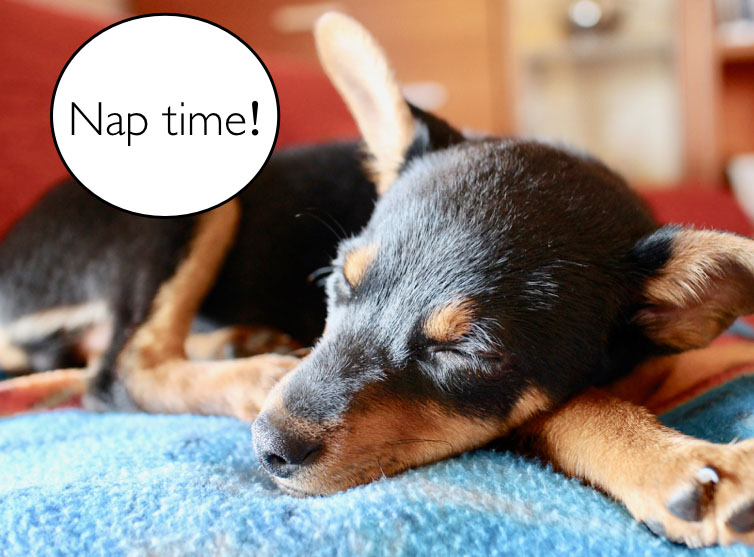
Do you want to get more done in the day, feel better and mentally sharper? Then consider taking a nap.
Winston Churchill was a huge fan of napping. He viewed his naps as time well spent and critical to performing his job well. He said this:
“Don’t think you’ll be doing less work because you sleep during the day. You will be able to accomplish more. You get two days in one . . . well, at least one and a half.”
Churchill believed naps made him more productive. Indeed, science shows this to be true: naps are great for our cognition. Studies have found napping helps to decrease stress and fatigue, lift our mood, increase alertness and performance.
I like to think of naps as being like a warm bath for the brain. They refresh and re-energise you.
Create your own nap pod
This is why when I was working on my PhD I created a nap pod in my office. It was tucked away under my desk and consisted of the following items:
• a camping mattress (one I could easily fold up and store away);
• a cushion;
• a little blanket;
• an eye mask; and
• an electronic timer (to limit my naps to 20-30 minutes).
I found that a short 20 minute nap around 2pm or 3pm left me feeling more alert, more energised and in a better mood. It gave me this energy boost, which I needed to get through the last few hours of the day. Without my nap, I would be like a zombie, staring blankly at the screen and vulnerable to consuming click-bait and trashy celebrity gossip.
Napping isn’t just for kids
Usually when we think of napping, we think of little kids being forced to take naps on mats on the floor. But napping is for everyone.
In recent years, workplaces such as The Huffington Post, Facebook and Google have installed nap pods for their staff to enjoy. These workplaces understand the huge benefits of taking a nap on the job.
My love of napping developed when I was 16 years old. I was on student exchange, living in the South of Italy in a small village called Spinazzola.

Come 1pm all the schools and shops would close in Spinazzola and we’d come home to have lunch and then nap. You knew the whole village was taking a collective nap when the streets were empty (see picture above)!
At first, I resisted napping. I thought, “This is stupid. I’ve got better things to do!”. But Mamma Rosa (my Italian host mother) insisted that I nap. So nap I did. And I’ve been a power napper ever since.
Perfecting your power naps
You can enhance your napping experience by dealing with a number of nap blockers from the outset. I outline some of the major barriers to taking a good quality nap below.
1.Block out the light
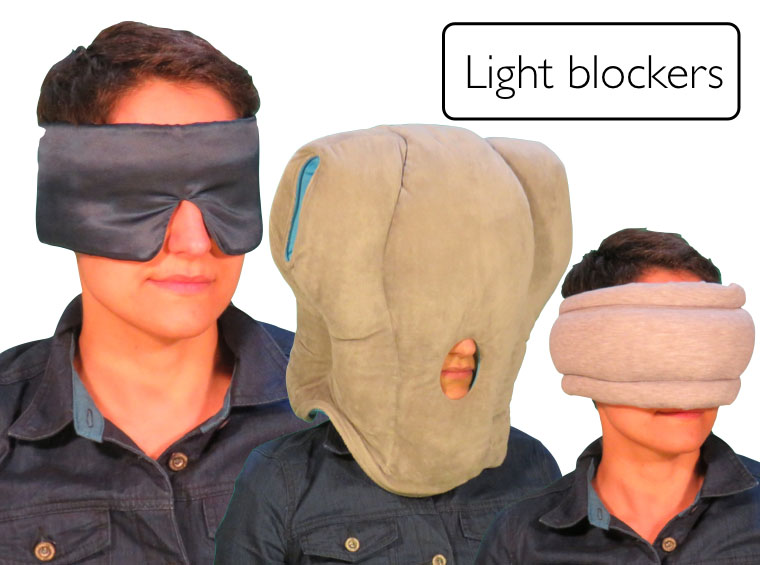
Light inhibits the production of melatonin (a hormone that makes you feel sleepy). This explains why it’s easier to fall asleep in the dark. If you have a lot of light in your room, I recommend using an eye mask to block out the light. You can see my review of different light blockers here.
2. Avoid caffeine and refined sugar
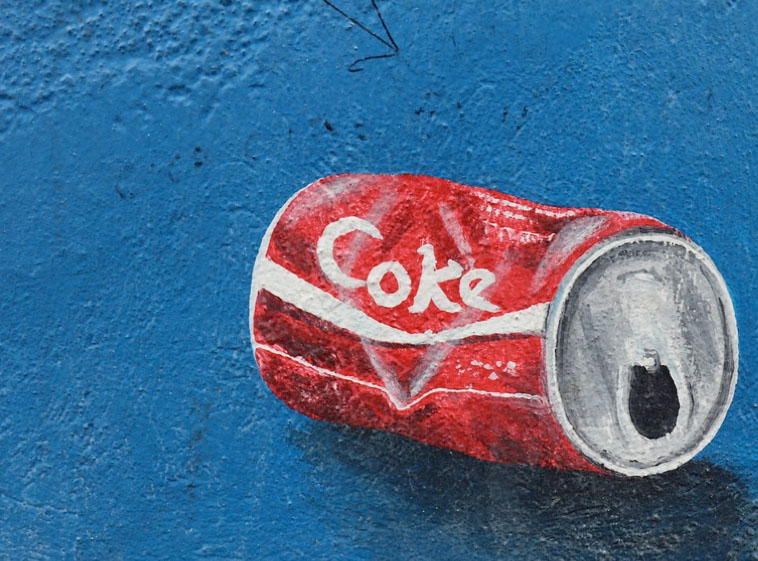
Ideally, avoid consuming caffeine and sugar before your nap. These substances will make you feel wired and hyper.
3. Deal with your negative conversations around napping
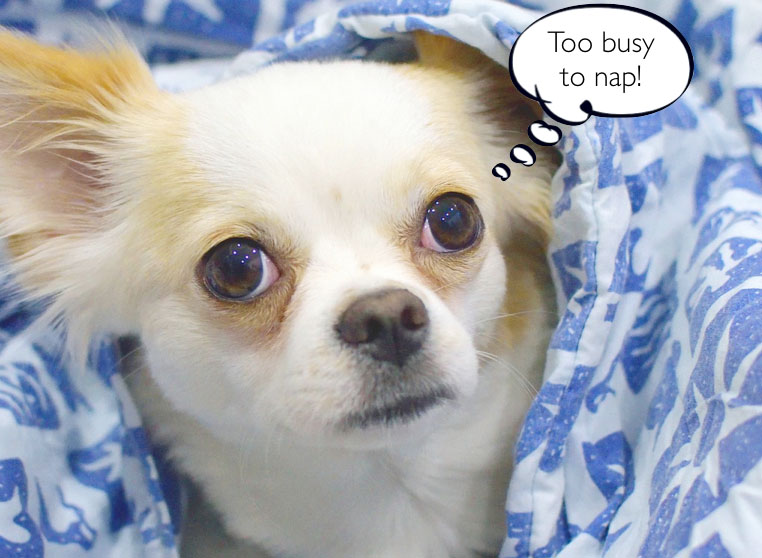
Our thoughts are often the biggest barrier to napping. If you find yourself thinking “But I’m too busy to nap!”, then that’s a sign that you need to stop what you’re doing and take a nap. The busier you are, the more you’ll benefit from a power snooze.
If you think napping is for lazy people, think again. Napping is something many creative and highly successful people do. It’s something the top violinists did in the famous Ericsson study on the role of deliberate practice in becoming an expert. The best violinists didn’t just practice for 4 hours a day but they also napped for longer periods than the other (less skilled) violinists.
4. Don’t worry about falling into a deep sleep
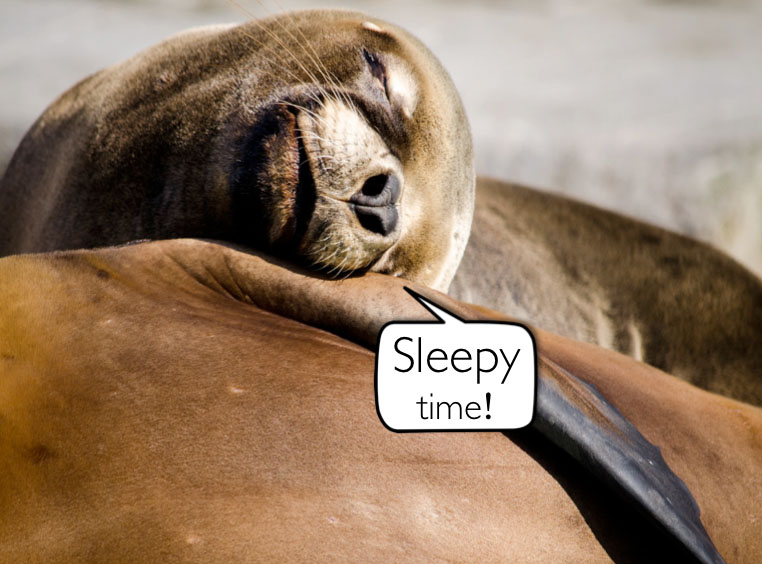
The most important thing is that you rest. Put your eye mask on, set a timer for 15-30 minutes and say to yourself ‘Sleepy time!’.
If you find yourself thinking about work, repeat to yourself again ‘Sleepy time!’. Now is the time to rest and recharge your brain.
To sum up
I encourage you to give yourself the gift of a nap each day. See what kind of difference this makes to your brain power and energy levels.
Do you enjoy taking a nap after school or work? How long do you typically nap for? What helps you to nap well? Let me know below!

Unless you’re a superhero in a Marvel film, no one benefits from exposure to asbestos, lead paint, tobacco, and radioactive substances.
Toxic products are just like toxic people. It’s best to steer clear of them if you can.
If you can’t avoid them, then it’s wise to take precautions and minimise your exposure as much as possible.
Only a small child or a foolish adult would handle asbestos or a radioactive substance with their bare hands.
But I want you to consider that millions of people all around the world are constantly exposing themselves to another class of toxic products and they are unaware of it. What’s unique about these products is that the harms are invisible.
Exposure to these toxic products can result in:
I’m talking about social media platforms, such as TikTok, Facebook, and Instagram.
Over the years, I’ve read extensively on the invisible harms linked with social media. As someone who was an early adopter of Facebook, I’ve seen these harms firsthand.
I was addicted to social media until I read the book Ten Arguments for Deleting Your Social Media Accounts Right Now. I read this book in a day. The book had such a profound impact on me that I deleted all my social media accounts that evening back in November 2020.
I firmly believe now that social media is the mother of all toxic products and it’s time we started relating to it in this way.
As it turns out, I’m not alone in my thinking.

In a 2024 New York Times article, the US Surgeon General Dr Vivek Murthy stated that warning labels should be placed on social media platforms, similar to the warnings that appear on cigarette packs. He wrote:
“It is time to require a surgeon general’s warning label on social media platforms, stating that social media is associated with significant mental health harms for adolescents. A surgeon general’s warning label, which requires congressional action, would regularly remind parents and adolescents that social media has not been proved safe.”
He also wrote:
“Adolescents who spend more than three hours a day on social media face double the risk of anxiety and depression symptoms, and the average daily use in this age group, as of the summer of 2023, was 4.8 hours. Additionally, nearly half of adolescents say social media makes them feel worse about their bodies.”
Mental health issues are just one of many toxic by-products created by social media platforms.
The Center for Humane Technology has created a Ledger of Harms that details the hidden costs linked to social media, including a polluted information ecosystem that makes it hard for people to make sense of complex issues.
Under the heading ‘Making sense of the world: Misinformation, conspiracy theories, and fake news’, it states:
“A broken information ecology undermines our ability to understand and act on complex global challenges from climate change to COVID-19.”
This is why I believe social media is the mother of all toxic products. By fragmenting our attention and impairing our ability to understand complex issues, it becomes increasingly difficult to solve the massive challenges of our time.
We’ve placed too much trust in social media platforms without fully understanding how they work and what these apps are doing to our brains, relationships, and society.
Even if you understand the hidden harms, you may think that they don’t apply to you. That somehow you are immune to the risks.
I’ve lost count of how many times I’ve heard my friends make comments like:
There’s a reason why many parents working at big tech firms like Facebook and Instagram don’t let their children use the apps they work on.
It’s because they know these platforms cause harm.
For too long, we have naively trusted social media to be on our side. We believe what we see in our feed is a reflection of society. But it’s not.
Your feed is curated by the algorithm to keep you clicking, scrolling, and posting for as long as possible. This is why it feeds you outrageous content. Outrageous content hijacks your amygdala (the fear centre of your brain) and captures your attention.

The more data these companies can extract from you, the more profit they make. That’s the business model of Big Tech.
Put simply, Big Tech does not care about your wellbeing. It doesn’t care about supporting you with your goals or presenting you with accurate information that will help you make sense of the world.
As Philosopher James Williams writes in his book Stand Out of Our Light:
“There’s a deep misalignment between the goals we have for ourselves and the goals our technologies have for us.”

It’s time we said enough is enough to these Silicon Valley tech bros and their relentless pursuit of amassing more and more wealth through their addictive platforms at the expense of our collective wellbeing.
It’s painfully clear that a small handful of tech companies are hurting millions of people and bringing down society. As Jaron Lanier states:
“Bringing down a society to get rich is a fool’s game and Silicon Valley is acting foolish.”
These tech bros got rich because they captured our attention and we gave them our data. But we don’t have to put up with this. There is another way.
The Australian government is leading the way with a social media ban for under-16s. It’s a bold move that Big Tech companies are not happy about.
From December 10, all Australians under the age of 16 will be banned from using social media, such as TikTok, Instagram, Facebook, X, and Snapchat.
But why should this ban only apply to teens under 16?
Everyone would be better off by taking a break from these platforms.
As young people move away from social media, I encourage everyone, especially parents, teachers, and older siblings, to try taking a break from these apps too.
Your self-imposed social media ban doesn’t have to be forever. It could be for just 30 days.
If you’re thinking, “30 days! Why so long?”, here’s why . . .
You need to be off social media for a while to clear your head and see how crazy it all is.
What I discovered by deleting the apps is that when I used them they scrambled my brain. When I was on the platforms, they made me performative, jealous, and desperate for attention.

But it’s difficult to see it when you’re under the spell of these mind controlling platforms. Like a person exiting a cult or sobering up from alcoholism, you need to step back and gain some distance to recognise the toxic impact it’s having on you.
If, after 30 days, you feel stronger without social media in your life, you have the option of extending your ban. Or you can delete your accounts. The choice is yours.
There are several other reasons why taking an extended break from social media is well worth doing.
Firstly, this is a powerful way to show solidarity with young Australians as they go cold turkey on addictive tech.
This transition won’t be easy, especially for heavy users of the apps. By joining the under-16s in taking a break from the apps, we can better understand what they’re experiencing and offer support and compassion.
It’s also an opportunity to get to know ourselves better and live more authentic and free lives.
In Ten Arguments for Deleting Your Social Media Accounts Right Now, Jaron Lanier says:
“To free yourself, to be more authentic, to be less addicted, to be less manipulated, to be less paranoid…for all these marvelous reasons, delete your accounts.”

Big tech companies want you to think that without social media, there will be no internet or support groups to help you through tough times. That you will be isolated and lonely without their apps.
But don’t believe the lies.
The Internet will still be there to use and explore. You’ll have chat groups, friends you can email, text, and call, and meet-ups you can attend.
Trust me when I say this: you will adjust and get to know yourself better by taking a break from social media.
Whether you are forced to get off social media by the government or you voluntarily decide to take an extended break, here are my suggestions for a smooth transition off these addictive platforms:
Initially, leaving social media will feel hard. You will find yourself picking up your phone to open the app to start scrolling, but it won’t be there.
You will most likely feel a sense of loss (I did). Expect to feel restless and irritable to begin with.
But these feelings will pass.
What is happening is your brain is adjusting to a new, lower level of mental stimulation. It’s adjusting to a world where it doesn’t constantly receive quick hits of dopamine.
At some point, the discomfort will disappear and be replaced with a feeling of calm.
During this time of adjustment, treat yourself with extra care. Spend time outdoors, go for walks, get good sleep, fuel up on nutritious meals, and do things with your hands (write, draw, colour in, etc).
Engage in activities that connect you to yourself, others and the world around you.
When you engage in healthy lifestyle practices, your brain releases a balanced cocktail of chemicals (including dopamine), which leaves you feeling good rather than anxious.
When you wake up, resist the urge to check your phone right away. Even if you don’t have social media on your device, there are plenty of other ways to get quick dopamine hits, like messaging friends, checking your email, or reading the news.
When you check your phone or email first thing, it puts you in reactive mode. You also risk crashing your dopamine system, leaving you feeling sluggish and flat.
I like to start the day with some form of physical activity, such as going for a run on my treadmill or riding my bike, or tidying up my space. These activities provide a slow release of dopamine, helping set me up for the day ahead.
Some academics say generative AI is like crack cocaine for social media addicts. For this reason, it doesn’t make sense to replace social media with an anthropomorphic chatbot (e.g., ChatGPT) that sycophantically tells you what you want to hear and provides a friction-free ‘relationship’.
Life and human relationships are messy. But unlike AI chatbots, these things are real.
Time gained by stepping away from social media is best spent in the real world with real humans.
Be proactive about your social life. Text or email your friends to organise catch-ups. Take delight in hearing about what they’ve been up to.
Instead of getting a picture-perfect, curated version you’d see online, you’re more likely to receive a raw and refreshingly honest account of what’s been happening in your friend’s life.
Without social media, you’ll find yourself with a lot more free time. Use that free time to teach yourself a new skill or explore a new topic.
When I left social media, I joined a local Yoga studio, upped my kitchen game (learning how to cook delicious plant-based meals) and enrolled in free online courses that would increase my knowledge and skills.
How will you get your news? By heading straight to online news sites.
I have several online news sites loaded into my streamdeck to stay up-to-date with what’s going on in the world (e.g., Democracy Now, Al Jazeera, Guardian, All Sides, and ABC). All I need to do is hit a button, and I’m reading the news with the peace of mind that I’m no longer in a filter bubble.
There will be times when you feel lonely, bored, and sad. Instead of trying to suppress or numb these emotions, journal or draw what you’re feeling and thinking.
You could also write a letter to yourself. If you don’t know what to write, here are some prompts to get you started:
Whatever you would normally post and share, you’re now sharing with an audience of one: yourself. The good thing is there’s no need to worry about offending anyone or being cancelled. You can fully express yourself without the fear of being judged by others.
There are many toxic products in the world that we need to be aware of, and social media is another one of them. We need to treat it with extreme caution, as no one is immune to the harms caused by these platforms.
In the book The Anxious Generation, Dr Jonathan Haidt asks the question:
“What would the sages advise us today about managing our phone-based lives? They’d tell us to get off our devices and regain control of our minds.”
Australian teenagers under 16 will soon be banned from social media, but the rest of us can choose to leave the platforms freely.
In the spirit of reclaiming your mental freedom, I challenge you to run a tiny experiment where you refrain from using social media for at least 30 days.
As your brain adapts to a lower level of stimulation, you’ll experience a sense of freedom, satisfaction, and calmness. You’ll notice your life force, energy, and focus returning to you once again.
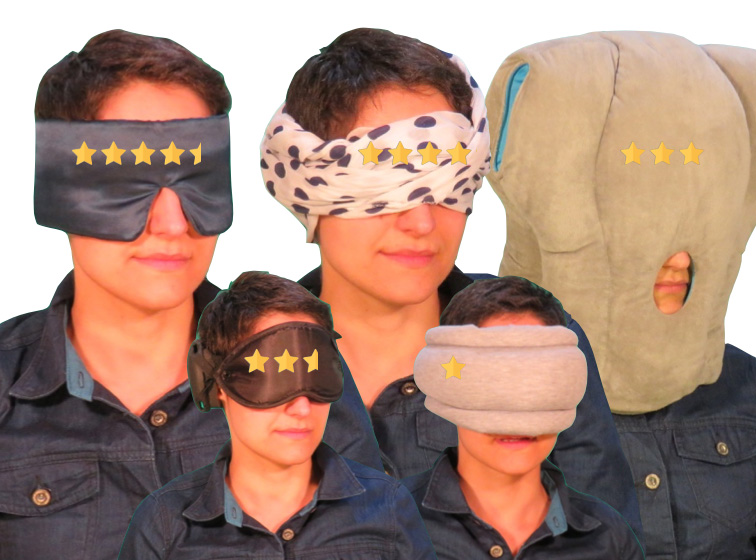
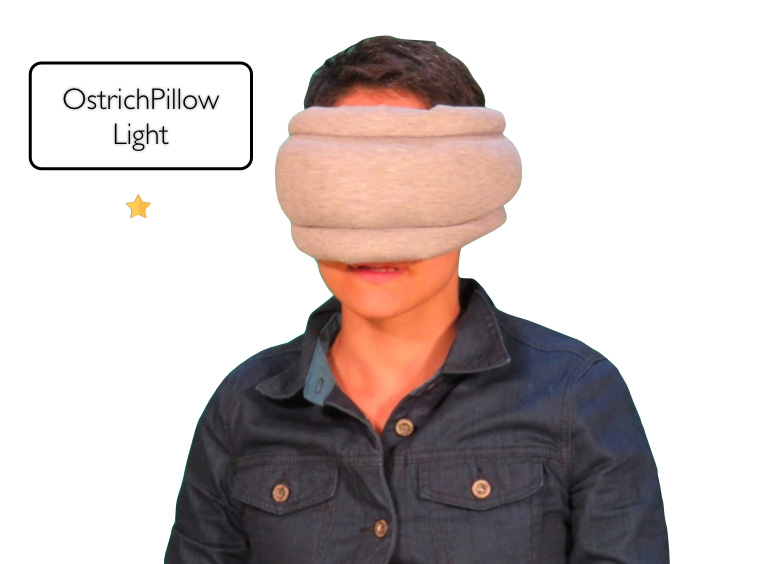
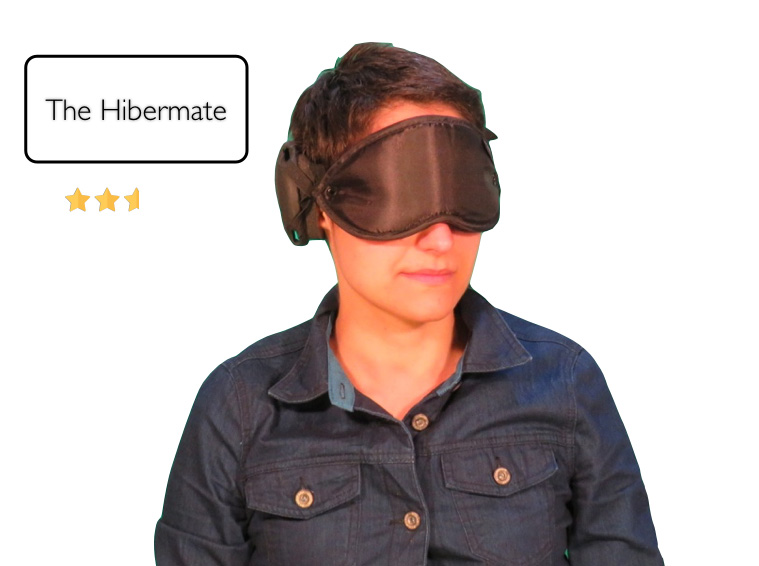
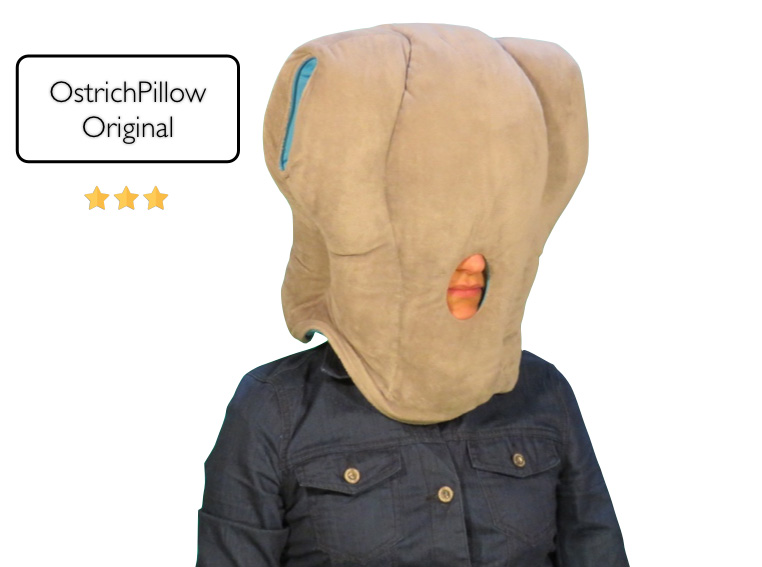
If there is one thing that can completely destroy the quality of your power nap, it’s light. So a good eye mask can be a game changer when it comes to power napping.
Below are five different light blocking devices I’ve tested and my thoughts on each one. I’ve listed the devices from least effective to most effective.
1. OstrichPillow Light
Pros
Cons
Star rating: 1 out of 5
2. The Hibermate
Pros
Cons
Star rating: 2.5 out of 5
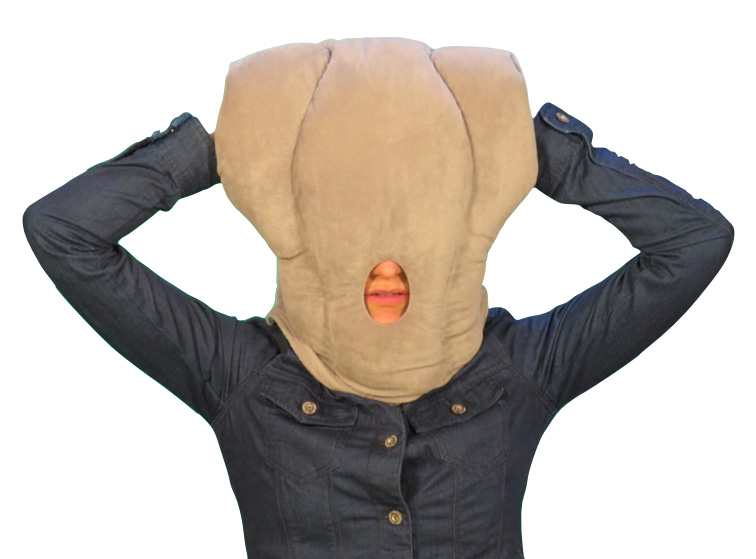
3. OstrichPillow Original
Pros
Cons
Star rating: 3 out of 5
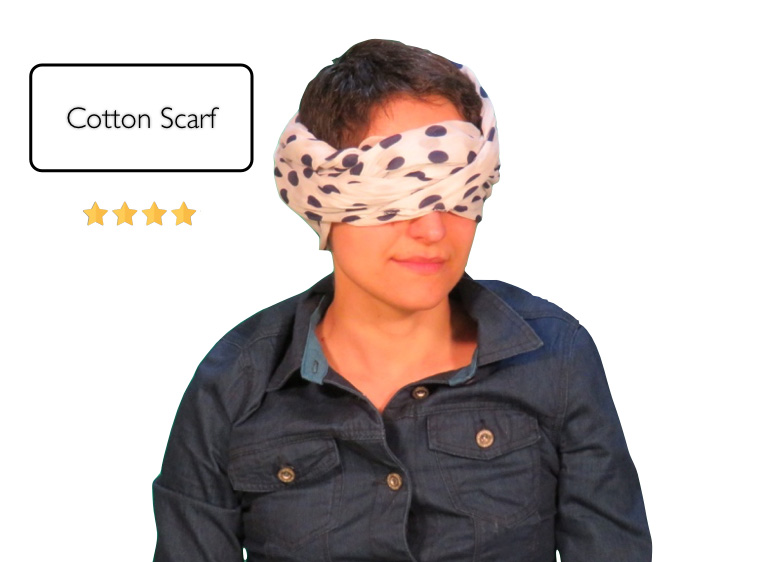
4. A cotton scarf
Pros
Cons
Star rating: 4 out of 5
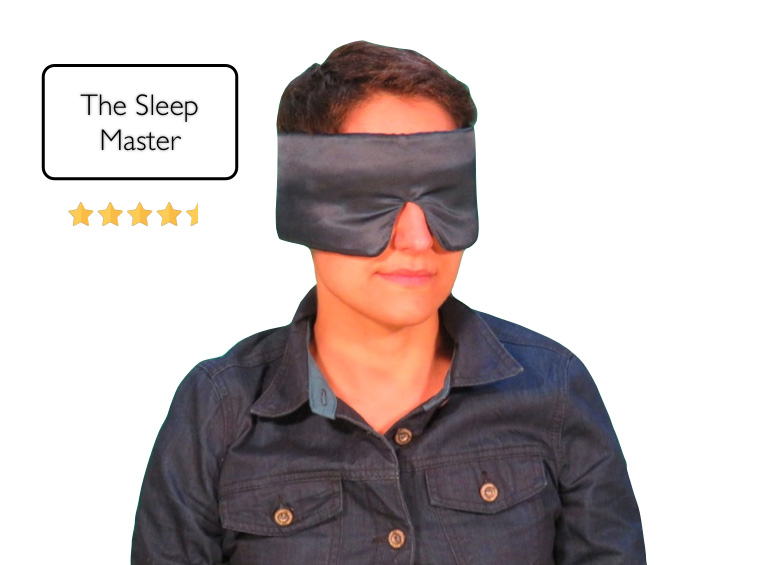
5. The Sleep Master
Pros
Cons
Star rating: 4.5 out of 5
To sum up
So there you have it! Five different eye masks to enhance (or destroy) your napping experience.
Some eye masks I recommend you avoid, whereas others like the Sleep Master are worth investing in if you’re seriously into napping. But at the end of the day, I didn’t find that there was much of a difference between a soft scarf and the Sleep Master.
My best advice: save your hard earned money and make do with a scarf!