
 How do you get back on the bandwagon once you’ve fallen off? What do you do when you hit some speed bumps and all the progress you were making in a certain area slows down or grinds to a sudden halt?
Whether it is your exercise routine, diet or a certain project, it can be disheartening to feel like you’ve taken 5 steps forward and then 3 steps back.
You see I recently got sick (sore throat, heavy head and runny nose). This meant no lifting weights, running, dancing or cycling for 2 weeks. Nothing.
Up until then I had been a “gym junkie” (my brother’s words, not mine) – exercising 5 to 6 times a week on average to increase my fitness and endorphin levels.
So as you can imagine, 2 weeks off hurt!
In my lethargic state I thought –
“I’ve lost it…all that hard work for nothing. What’s the point? It will take me months to get back to where I was before”.
But then I learnt about “The Tim Tam Philosophy” which entirely changed my way of thinking about the situation.
 In the book “Turbocharge your writing”, Hugh Kearns and Maria Gardiner discuss the Tim Tam Philosophy to illustrate what happens to humans when they are on a roll and then they lose their momentum. They state –
“If we use the example of healthy eating – let’s say you decide that you are going to eat healthily now and cut out junk food. And you are going along just fine, then at afternoon tea they have an open packet of Tim Tams on the table. And you think “Oh well, I’ve been going so well, I’ll just have that broken half sitting on the plate”.
But of course once you’ve had that, you have to have another one. Then before you know it you’ve had six…and you think “It’s all ruined now. There’s no point in trying to eat well now” and you eat the rest of the packet. When in reality, even if you had eaten the whole packet you could have said “Well that was a bit of a blip – it’s back to normal now. No more Tim Tams for me”.
Just because you’ve had a little break or a minor slip up doesn’t mean all your efforts have been a waste of time. Tomorrow is a new day and you can choose to behave differently. You need to put what happened behind you (it’s in the past and there’s no point dwelling on it) and take action to move forward in the direction you want to go.
The Tim Tam Philosophy doesn’t just apply to healthy eating but can apply to any area of our lives (e.g. our studies, projects, managing our time better and exercise).
What else can you do to help you to get back on the bandwagon? Below are a few suggestions.
Go gently on yourself
 Whether it is a workout at the gym or a project you have lost momentum on, go gently on yourself and ease into the activity. The last thing you want to do is dive straight into the activity in a desperate frenzy.
A couple of ways to ease gently into the task are –
1. Do something you enjoy or the most interesting part first to help lift your spirits and get you into the groove of things.
2. Work in small chunks to begin with. Set your alarm for 8 minutes and tell yourself that all you need to do is work for 8 minutes. If you find that it’s an uphill battle then give yourself permission to take a break when the alarm goes off.
Make it fun
 Can you make the activity more enjoyable than it would usually be? Put on some upbeat music? Involve a friend? Go to a location that energises your spirit (a café or a cosy, clean, beautiful environment)?
The first few sessions easing back into the particular activity are often the hardest, so you want to make them as pleasant as possible.
Plan it out – schedule it into your diary
 Decide on what you want to do and when you want to do it and then put it in your diary to remind yourself to take action. You may want to do this just for the day or the entire week (e.g. plan out all your meals or exercise classes).
By following the Tim Tam philosophy, I have been to the gym everyday since recovering from my cold. Whilst the workouts haven’t been easy, I’ve been having fun and I’m slowly regaining my fitness and strength.
In what areas of you life (if any) have you fallen off the bandwagon recently? Were there any strategies you used to help you get back on track?
About 10 years ago I met the beloved Australian celebrity Costa Georgiardis from the television show Gardening Australia.
I was blown away by Costa’s energy and enthusiasm.
He was exactly like he appeared on TV. But he wasn’t hamming it up for the camera. Costa was the real deal.
He was high on life.
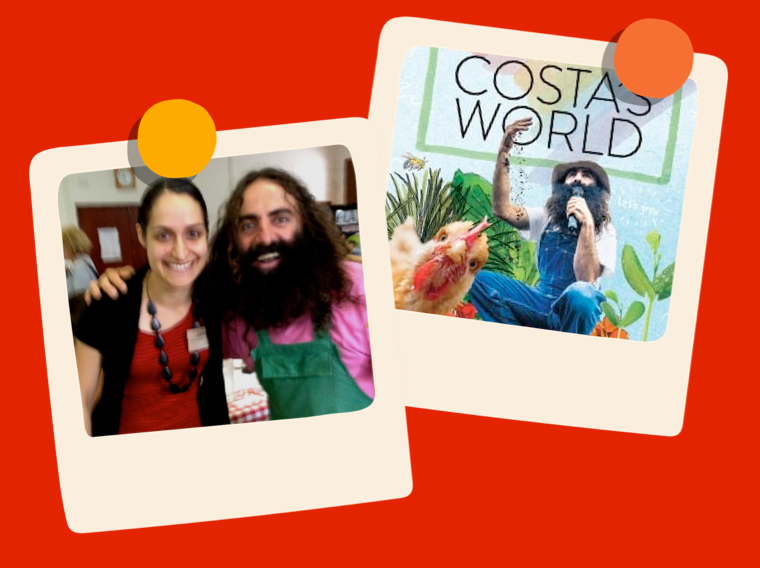
I’ve heard that people often ask Costa “Why are you so energetic?”, “Why are you so up?”, and “Don’t you get tired?”
Some people feel tired just being around Costa (check out this video to get a sense of Costa’s energy).
What’s the difference between motivated and energised people and less motivated people who struggle to get off the couch?
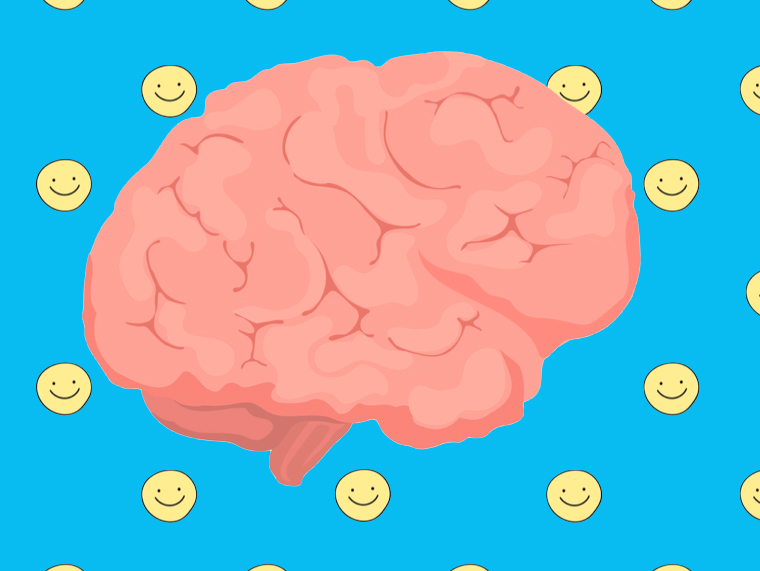
According to Stanford professor Dr Andrew Huberman the difference has everything to do with dopamine.
In this blog post, I want to explore how dopamine works and how you can adjust your dopamine levels to experience more motivation, focus, and energy in a safe and healthy way. Let’s go!
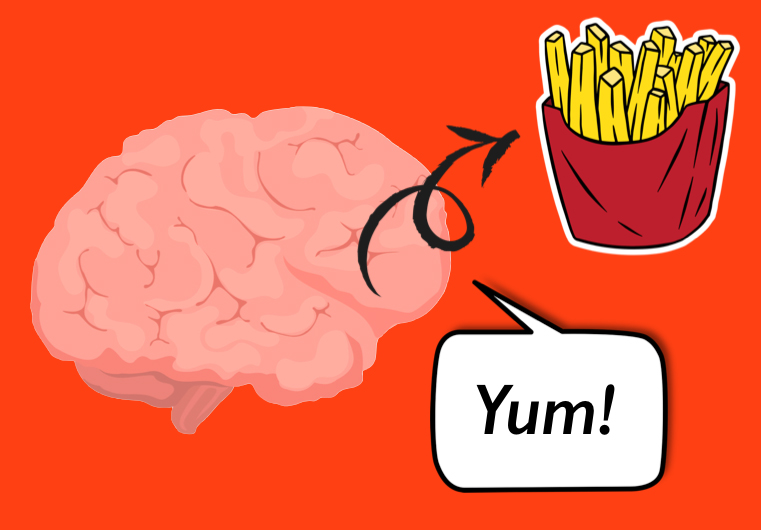
Dopamine is a neurotransmitter that is involved in reward processing. Your brain releases this molecule whenever it anticipates a reward.
In a healthy brain and environment, dopamine plays an important role in keeping you motivated, focused, and on track with your goals.
Unfortunately, this natural feedback system can be hijacked by big tech companies and fast food corporations.
Tonic dopamine is your baseline level of dopamine that circulates through your system. People who are generally enthusiastic and motivated have a high baseline dopamine. But if you struggle with motivation and often feel lethargic, chances are you have a low baseline dopamine.
But then there’s phasic dopamine. This is where you experience peaks in dopamine above your baseline level. These peaks occur as a result of engaging in certain behaviours and/or consuming certain substances.
For example, social media companies train users to seek out quick, easy, and frequent hits of dopamine. Fast food companies engineer foods that have just the right amount of salt, fat and/or sugar to release big spikes in dopamine. This make you want to eat more of the food product and keep going back for more.
It’s important to understand that these peaks in dopamine don’t last.
After engaging in a dopamine-rich activity, you will experience an inevitable drop in dopamine. And this drop will be below your baseline level.
It should come as no surprise that when you’re in a dopamine deficit state you don’t feel very good. You experience pain and discomfort.
According to Psychiatrist Dr Anna Lembke this is our brain’s way of trying to bring everything back into balance and establish homeostasis.
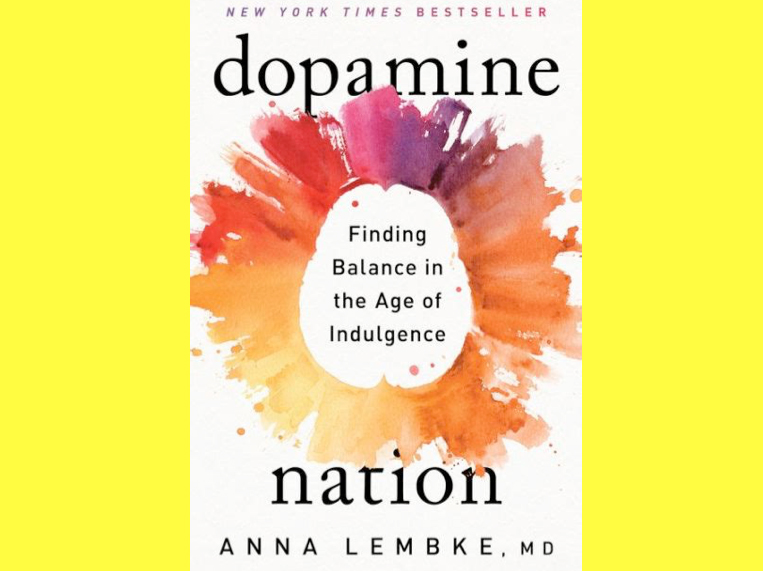
In the book Dopamine Nation Dr Lembke talks about how pleasure and pain are experienced in overlapping regions of the brain. She states:
“Pleasure and pain work like a balance”.
If you tip to the side of pleasure or pain, self regulatory mechanisms kick in to bring everything back into balance.
But you never want to tip to one side for too long. Dr Lembke states:
“With repeated exposure to the same or similar pleasure stimulus, the initial deviation to the side of pleasure gets weaker and shorter and the after-response to the side of pain gets stronger and longer, a process scientists call neuroadaptation . . . we need more of the drug of choice to get the same effect.”
In other words, consuming more of a dopamine-rich substance or behaviour is bad for your brain. It will leave you in a dopamine-deficit-state.
And when you’re in this state, it’s much harder to do your school work.
There are a number of simple things you can do to regenerate your dopamine receptors and increase your baseline dopamine. I’ve listed several strategies below.
Before you start your work or study, you want to avoid engaging in activities that will cause spikes in dopamine. If you watch TikTok videos or play video games before sitting down to do your homework, this is going to make your work feel a lot more painful and boring.
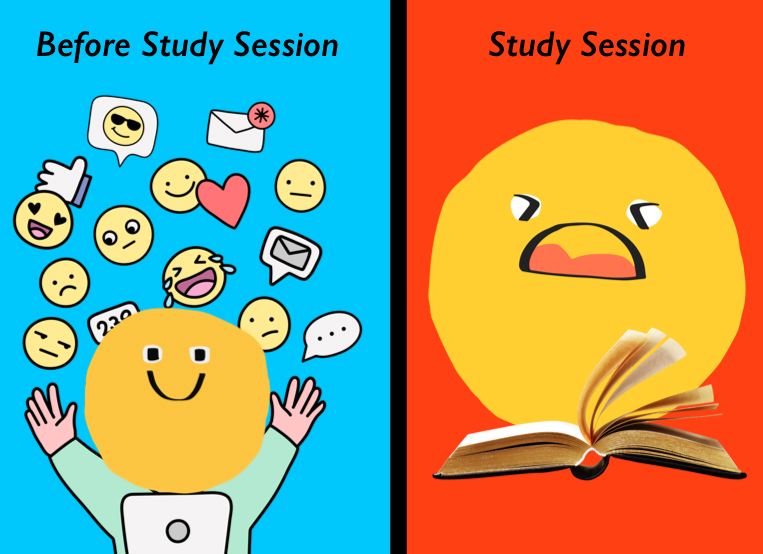
Here’s why . . .
Dr Huberman states that how motivated you feel to do a task depends on your current dopamine levels and what previous peaks in dopamine you have experienced. This is important to understand because with this knowledge, you can create routines and habits to conserve your dopamine and motivation for pursuing your goals.
With this in mind, I’ve recently simplified my morning routine in the following ways:
• I don’t start the day by looking at my phone or computer
• I exercise without listening to music
• I have a healthy breakfast of overnight oats and berries rather than a super sweet smoothie
• I have a cold shower (more on why I do this below)
Whilst this may sound boring, it’s had a dramatic impact on how easy it is for me to get stuck into doing my work.
The term ‘Dopamine Detox’ is a little misleading since it’s technically not possible to detox from dopamine. Nevertheless, the idea is a good one.
When you engage in a dopamine detox, you’re taking a break from engaging in dopamine-rich activities (e.g., consuming junk food, going on social media, and watching Netflix). This will give your dopamine receptors a chance to regenerate.
After taking a dopamine detox, you’ll probably notice that simple things like eating basic wholefoods or going for a walk are much more pleasurable. As Dr Huberman points out:
“Our perception for dopamine is heightened when our dopamine receptors haven’t seen much dopamine lately.”
Research shows that cold water therapy (i.e., being submerged in cold water) can increase your dopamine by 250% above your baseline level.
Let’s put that in context:
Chocolate increases dopamine by 150% above baseline
Alcohol increases dopamine by 200% above baseline
Nicotine increases dopamine by 225% above baseline
Cocaine increases dopamine by 350% above baseline
Amphetamines increases dopamine by 1100%
You need to remember that these peaks in dopamine are followed by a sudden crash below your baseline level. Let’s not overlook the fact that chronic substance abuse causes brain damage and can be fatal.
Unlike other addictive substances, cold showers create peaks in dopamine that can last for several hours. You also don’t experience the subsequent dramatic crash below your baseline level.
Word of warning: Before you turn on the cold shower tap or start running an ice-bath, it’s important to be aware that people can go into shock when plunging themselves into cold water. Please be careful!
If cold showers aren’t really your thing, try increasing your dopamine with exercise. Exercise has been found to increase dopamine by 130% above your baseline level.
In the book Move The Body, Heal The Mind, neuroscientist Dr Jennifer Heisz says:
“Exercise increases dopamine and repopulates dopamine receptors to help the brain heal faster during recovery [from addiction]. Although all forms of exercise can do this, runner’s high may do it best.”
Look for ways to make it harder to engage in the dopamine-rich activities. Create barriers and/or friction points to stop you from mindlessly seeking quick shots of dopamine.
For example, I recently noticed I had a problem with compulsively checking my phone. Whenever I felt bored or lonely, I’d check my phone to see if I’d received any messages. I didn’t like the fact I was doing this but I found it hard to stop. What could I do?
I could use a dumb phone.
I found a ‘seniors’ flip phone that allowed me to do basic things like make calls and send texts. But sending texts is not easy! I have to type in each letter and change from upper to lower case. It really puts you off wanting to text your friends.
Since switching to a dumb phone, the number of times I touch my phone each day has significantly decreased.

As you do your work, praise yourself for the effort you’re putting in. Doing this can increase the dopamine you have for the activity.
Dr Huberman suggests saying the following while you’re doing painful work:
“I know this is painful. But you need to keep at it. Because it’s painful, it’s going to increase my dopamine later and I’m doing this by choice.”
We live in a dopamine-rich world. It’s so easy to flood your brain with quick hits of dopamine that feel good in the moment but leave you feeling flat and irritable shortly after. These peaks in dopamine make it harder for us to pursue our goals by undermining our motivation.
No matter what your current dopamine baseline is, just remember this: you have the ability to increase your dopamine in a healthy and sustainable way. Kick-start the process today!

I love the feeling.
I think, “Go me! Look at you go!” as I strike the pen through the list item.
But as good as it feels to cross things off, it’s not really about that. That’s not where the power of lists resides.
The power exists in making the list in the first place. Getting the thoughts out of your head and down on paper.
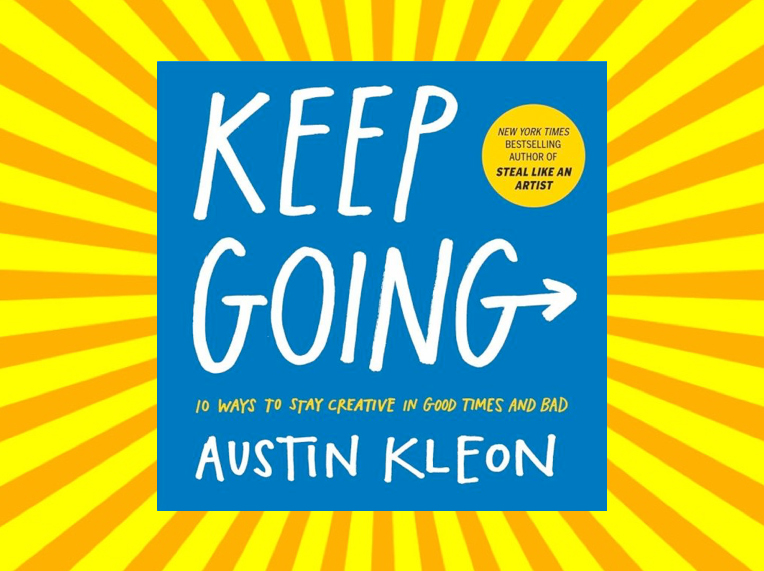
In his book Keep going: 10 ways to stay creative in good times and bad Austin Kleon states:
“Lists bring order to the chaotic universe. I love making lists. Whenever I need to figure out my life, I make a list. A list gets all your ideas out of your head and clears the mental space so you’re actually able to do something about them.
When I’m overwhelmed, I fall back on the old-fashioned to-do list. I make a big list of everything that needs to get done, I pick the most pressing thing to do, and I do it. Then I cross it off the list and pick another thing to do. Repeat.”
When I’m feeling really under the pump, I’ll go for a walk and scribble out a list while I’m walking.
I’m not sure which activity helps me more – the walking or the list making – but by the time I arrive home from my walk, I always feel less anxious and more in control.
If you haven’t been having much luck with to-do lists, you may have fallen into one of the following common traps:

If you look at your list and it says says things like ‘Mum’s birthday’ or ‘Study’, it’s time to make these list items crispy.
Crispy is a Behaviour Design term created by Stanford university Professor BJ Fogg. When you make a behaviour crispy, you get really clear on the specific behaviour you need to carry out.
Here are some examples I came up with to illustrate the difference between fuzzy and crispy list items:
Fuzzy to-do list item: Mum’s birthday
Crispy to-do list item: Call mum to wish her happy birthday after lunchFuzzy to-do list item: Study
Crispy to-do list item: Open Quizlet study deck and test myself for 5 minutes on the bus
When you ‘crispify’ a list item, you tighten it up. You make it crystal clear for your brain what you need to do next. This in turn makes it much easier for you to get started.

If your list is no longer working for you, feel free to abandon it and create a new one. As Psychiatrist Douglas Puryear says in his book Your life can be better:
“I make lists over and over, all day long. It’s not just about having the list; there is also benefit in making them. Writing down what I need to do is somehow calming and organizing, and therefore motivating. When I write things down, it’s as though I’m on top of them.”
Our brains get bored easily, so try making your list a little bit different every now and then.
Here are some simple ideas on how you can jazz up your next to-do list:
It doesn’t matter what medium or what materials you use to create your to-do list. What matters is that you get everything out of your head and you make each list item crispy.

If your to-do list is causing you to have a mini meltdown, back up. Ask yourself . . .
“Is this list too long? Can I cross a few things off?”
Create a short list from your big list – just three items (post-it notes are good for this). Then put away your long list. When you’ve completed those three items, create a new list of three from your long list.
During times of chaos, lists are your friends. Reach out and use this fabulous tool to lighten your mental load. You don’t need any special skills or talent to do this. Lists are for everyone.

When I was 15, dad made it clear that these subject were non-negotiable: I had to study them in year 11 and 12.
So I rote-learned my way through physics and chemistry. And I hated these subjects with a passion! It killed my love of learning. But I studied just to get by, pass the test and please my dad.
I can’t recall a single thing from physics and chemistry.
Looking back, I wish I had pursued subjects that I was genuinely interested in, such as human biology, cooking, drama and ancient history. But it was hard standing up to my dad as a teenager.
After I graduated from law school, I told my parents I didn’t want to be a lawyer. They were super disappointed. They sat me down and said, “What will you do if you don’t become a lawyer Jane?”
But by that stage, I felt strong enough to pursue my own path and live my own life.
At the time my parents had a particular definition of success: it was a set of A’s on a report card, awards, getting a high status job and having a big house.
But over the years, my parents and I have come to question what it means to be successful in a world that has finite resources and huge environmental challenges.
We live in an achievement oriented world. For many of us, success looks something like this:
• Acquiring lots of money and material possessions
• A high status job
• A large number of Instagram followers
• A perfectly curated social media feed
• A perfectly toned body
• A perfectly decorated house
Ideas about what it means to be successful are promoted to us through the media, 24/7.
None of us are immune to these messages. They bleed over into all areas of our lives and influence our perspective on life and learning, including what it means to be a successful student.
Success at school isn’t measured by depth of learning or fun derived from the learning process.
It’s all about getting good grades, awards and certificates.
We assume:
Good Grades = Good Degree = Good Career (with Good Pay) = Money, Happiness and Freedom
But it’s time to start questioning this ‘success’ trajectory.
Why?
Because it’s somewhat flawed.
Research shows being too fixated on external things (e.g. grades, accolades, money and material possessions) is making us miserable. But not only that, it results in us trashing the planet.
Researcher Tim Kasser, author of The High Price of Materialism, conducted several studies that found people who are overly fixated on extrinsic pursuits (e.g. striving to acquire more money, having an attractive appearance and higher status) are more likely to be depressed, have lower levels of vitality and life satisfaction.
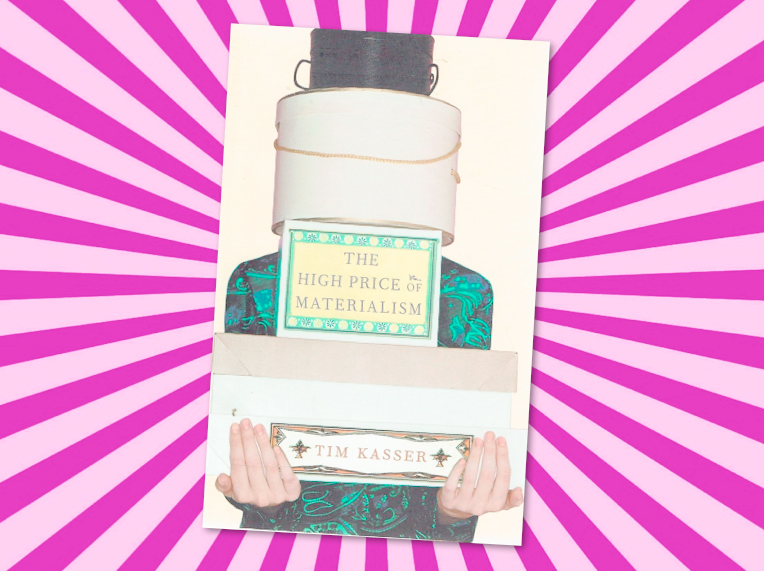
People who are oriented towards more extrinsic pursuits are also more likely to act in less environmentally friendly ways than people who value more intrinsic pursuits (e.g. cultivating strong relationships and connecting with nature).
Let me make it clear . . .
I’m not saying don’t do well at school. I’m not saying don’t bother going to university and/or getting a good job. Not at all.
You want to apply yourself, expand your mind and do your best at school and in life.
All I’m saying is don’t fall into the grade/prize obsession trap.
I’ve found whenever I’m obsessed with achieving a particular result, it gets in the way of me just doing the work. It can also suck the joy out of the learning/creative process.
When I was in school I became obsessed with winning awards. How did this happen?
As a small child, I saw my brother win a lot of awards. I saw him receiving applause and praise from big crowds and teachers. So I came to associate awards and academic achievement with being loved. Naturally, I wanted that too.
So I worked really hard to get awards at school. My brother and I also entered a lot of art and colouring in competitions. And our hard work paid off (if you consider colouring in to be hard work) – my brother and I won a lot of stuff.
But there was a big difference between the two of us: my brother actually enjoyed the process of learning and he loved creating art. It was intrinsically rewarding for him. I was more focused on extrinsic rewards – praise, prizes and awards.
When I didn’t get any subject awards in year 8, I was devastated. I came home in tears.
My brother was concerned. He said, “What’s wrong Jane? What happened?”
I told him that I didn’t win any awards.
And you know what his reaction was?
He laughed in my face.
He thought, “How stupid. How shallow.”
He kept saying to me:
“The awards don’t matter. It’s not a big deal.”
I couldn’t see it at the time, but my self worth had become so strongly connected to receiving awards and prizes.
So in year 9, I set myself a goal – to become Dux of my year (i.e. the top student).
I sacrificed fun times with family and friends to rote-learn my way to top grades. By the end of the year, I won the Dux award but I didn’t feel happy like I thought I would. Instead, I felt tired, miserable and empty inside.
I had put my happiness on hold for a stupid certificate.
But this is what we do.
We think as soon as we achieve our goals then we’ll feel happy . . . but it doesn’t always work like that.
We can see this at play when it comes to choosing a career path and making money.

I recently had a conversation with a year 10 boy. It went something like this:
Boy: “I’m interested in studying psychology and becoming a psychologist.”
Me: “Great! What interests you in psychology?”
Boy pauses to think for a few seconds
Boy: “Because it seems like a profession you could make lots of money from.”
I’m guessing this boy saw money as his ticket to freedom and greater happiness. But money can’t and should never be the sole driving factor for choosing a career path (can you imagine a world full of money hungry psychologists? I shudder at the thought).
Similarly, the pursuit of fame should also be questioned.
I often meet students who want to be famous. But hardly anyone becomes famous (1 person in every 10,000 becomes famous).
If you do become famous, it’s never quite how you imagined it would be. In the book Happy, Healthy Minds the authors from The School of Life highlight some of the downsides of fames. These include:
• Other people being jealous of you
• If you make a mistake everyone knows about it
• You can’t enjoy doing ordinary things
• People constantly ask to have photos with you
• You can’t enjoy just having a quiet meal at a restaurant

We also forget that the vast majority of famous people have worked really hard to get to where they are. We overlook the hard slog, the knock backs, the criticism and risks they had to take to get to where they are now.
So be careful what you wish for.
Studies have found if you’re living in poverty, money makes a massive difference to your well-being and happiness levels. But once your basic to moderate needs are met, more money doesn’t significantly increase happiness.
One research study involving data from 1.7 million people in 165 countries found after we make $65,000USD per year, happiness levels plateau. After you make $105,000USD, you start actually thinking you are doing worse in life (the compare and despair cycle kicks in).

Whatever degree or career path you choose to pursue, do it because it interests you. Do it to build new skills and contribute to the world. Have the money be a bonus extra.
Because here’s what I’ve come to realise . . .
It’s more about developing your passions and interests. It’s about cultivating your personality, depth of character, having a sense of purpose and standing for something in the world.
The most successful people I know are passionate about something and have strong values and a purpose that guide them through life. They also persevere in the face of challenges and refuse to give up.
In The Art of Frugal Hedonism, the authors state:
“. . . having more personality is a seriously excellent substitute for constructing a persona via consumption patterns (like what you own, wear, eat and drive; where you live and holiday). You don’t have to become one of those old men who get about in bare feet and a pinstripe suit with a six-foot python wrapped about their necks, but you do have to hone-in on things you’re interested in and pursue them, develop your own opinions, or let some of those quirks and eccentricities that you may have been suppressing blossom into visible traits.”
With that in mind, it’s time to abolish our obsession with grades, money and stuff. But how?
It’s time to create new metrics for success.
Instead of measuring your self worth based on your grades, number of followers and what you have, focus on developing your personality and character (who you are). For example, here’s are some of metrics for personal success you may want to consider living by:
• Books and news articles read each month
• Interesting podcasts listened to
• Kind acts performed and kind words offered
• Community events attended and/or organised
• Time spent moving/exercising each day
• Conversation with people with different points of view
• Time away from screens each day
• Random conversations with complete strangers on public transport
• Home cooked meals made each week
• Serves of vegetables and fruit consumed each day
• Hours spent outdoors and out in nature each week
As Psychologist Dr Helen Street, author of Life Overload, states:
“In modern society the pressure to be seen to be living well rather than to experience living well has given extrinsic gains undue importance. There is enormous pressure to appear to be successful – to have the material signs of success. To have beauty and youth, fame or celebrity. This false inflation of the importance of all things extrinsic has made it incredibly hard to understand proactive motivation in terms of intrinsic gains.”
It takes something to go against the grain of our culture and embrace intrinsically rewarding pursuits over extrinsic ones. When everyone is focused on grades, money and appearance, it’s easy to fall into that trap, too.
But if you want to be happy, you’ll need to shift your focus. Stop obsessing about your grades. Study things that interest you. If you focus on enjoying the learning process, you will do well at school and in life. But I want you to consider, the grades and cash will be a bonus extra.
Don’t be afraid to follow your own path and set your own direction. A good place to start is by creating your own definition of success to live by.